
Not All ‘Reef‑Safe’ Sunscreens Are Created Equal — Here’s the Science to Prove It

“Reef‑Safe” has become a popular label slapped onto sunscreen bottles, but the term itself isn’t regulated and can be misleading. There’s no official definition or certification standard, so products labeled reef‑friendly may still contain ingredients that harm marine ecosystems. This allows marketing teams to slap “Reef-Safe” onto a bottle just to sell it, while the stuff they're selling is killing our reefs. What matters most is the ingredients list, not the marketing on the bottle.
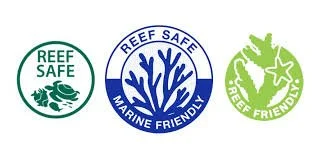
Don’t blindly follow marketing labels like this, always check the ingredients list.
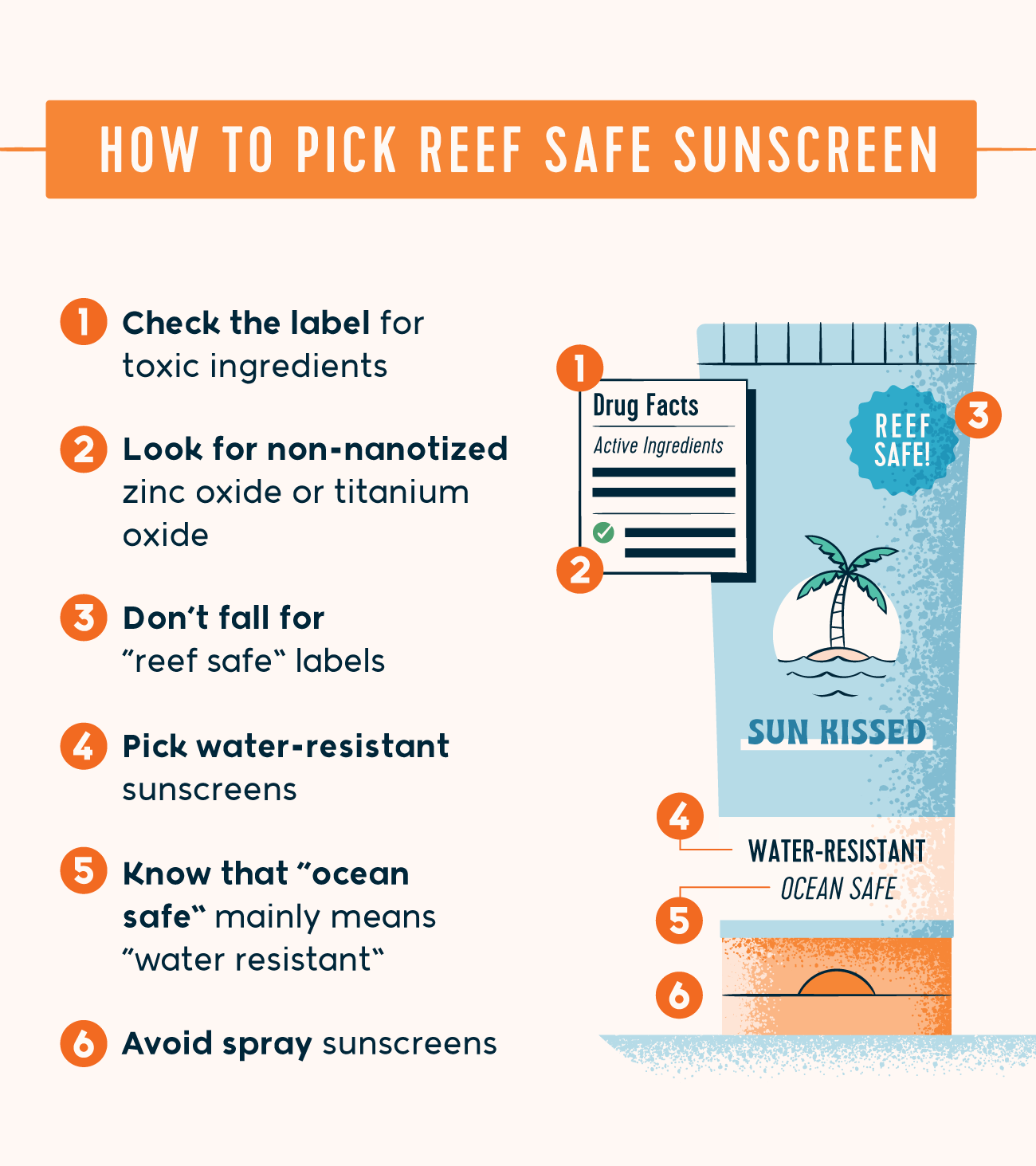
Scientific studies have repeatedly flagged chemical UV filters such as oxybenzone, octinoxate, and octocrylene as potentially toxic to coral and other marine life. These chemicals can interfere with coral DNA, deform larvae, and have been linked to bleaching and reproductive issues in lab settings. In contrast, mineral sunscreens using zinc oxide or titanium dioxide are generally considered a safer alternative for reefs, provided they use non‑nano particles, which are less likely to be absorbed by marine organisms. These actives are widely recommended in eco‑conscious travel and reef conservation discussions, though scientists note that even mineral formulas can have environmental effects depending on particle size and coatings.
The smartest sun strategy is to wear your protection — literally. Think rash guards and UPF tights: not only do they make you look way cooler (think rainbow scales or a look that says "I dive with sharks"!), they can actually block more UV than slathering yourself in chemical-loaded lotions that wash off at the first splash. UPF clothing can outperform sunscreen in UV blocking tests and stays effective without constant reapplication, whereas sunscreen washes, sweats, and rubs off.
Mindful sunscreen choice still matters for exposed skin — check labels to avoid harmful chemicals (anything ending in "oxate", "benzone", or "crylene" is bad news) and opt for non‑nano mineral formulas when you do need sunscreen — but covering up with UPF gear means less chemical runoff heading into the ocean and more sun protection for you.